|  | Translated by Marta Campbell |
 |
16.02.2026 08:00 Uhr |
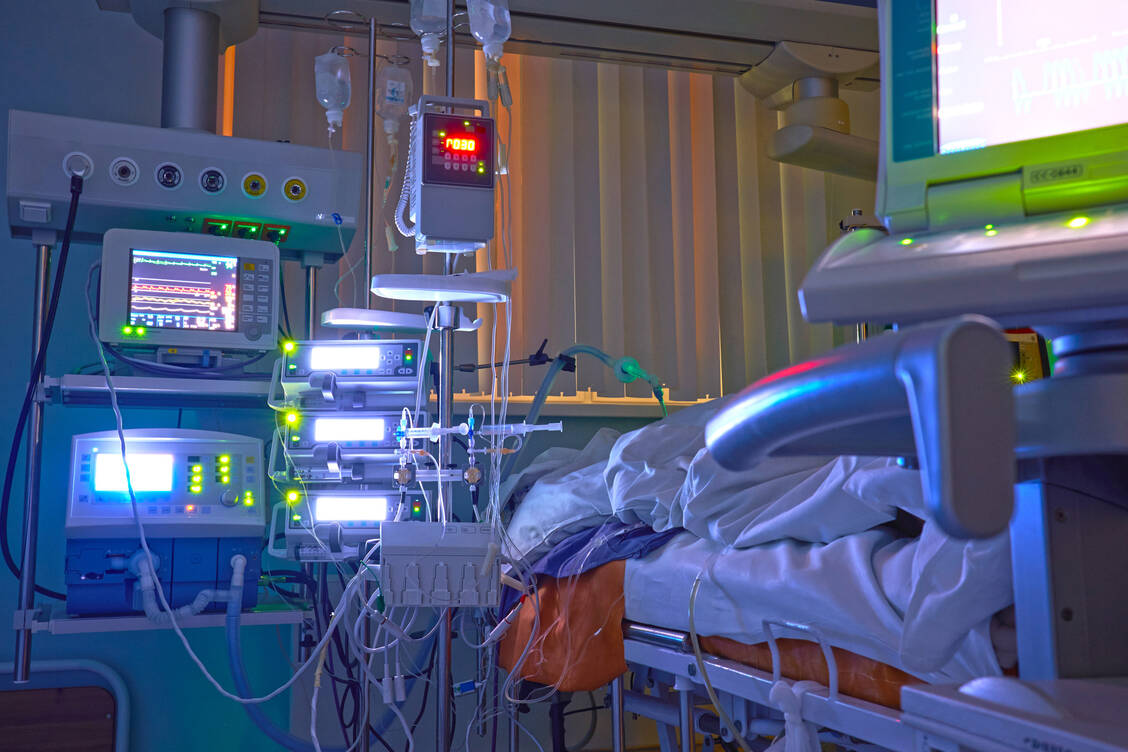
Especially in older people, those in care and people with permanent catheters, urinary tract infections with Escherichia coli can easily develop, which then cause sepsis. / © Adobe Stock/Kiryl Lis
A local infection is the starting point for possible sepsis. As a rule, the immune system succeeds in eliminating the pathogens causing the infection locally. In sepsis, however, large numbers of germs enter the bloodstream. This triggers a massive response from the immune system. The result is an inflammatory reaction affecting the entire organism, in which the body's own defences release large quantities of inflammatory messengers, known as cytokines. Experts refer to this as a cytokine storm. This means that it is no longer just the pathogens that are attacked, but also healthy tissue and organs. Blood vessels are damaged by this process and become permeable, allowing fluid to enter the tissue. This affects blood pressure, causing it to drop dramatically. In addition, microthrombi that form in the smallest blood vessels block the blood flow in the tissue. The organs thus become increasingly deprived of oxygen until they can no longer function and fail.
This very often fatal condition can affect anyone, but some groups are at greater risk. These include older people aged 65 and over, those with weakened immune systems or chronic illnesses, as well as infants and pregnant women. The most common starting point for sepsis is pneumonia, in which the pathogens, pneumococci, enter the bloodstream. Especially in older people, those in care and people with permanent catheters, urinary tract infections with Escherichia coli can easily develop, which then cause sepsis. Infections of the abdominal cavity also play an important role. Inflammation of the appendix or gallbladder, as well as a perforated intestine or peritonitis, can also lead to sepsis.
Infections of the skin and soft tissues, such as wound infections, (dental) abscesses and infected pressure ulcers, should not be underestimated. ‘Replacement parts’ in the body also harbour a risk of infection and, as a result, septic events. These include artificial joints and heart valves.
How can people tell if they are developing sepsis? The »Deutschland erkennt Sepsis (Germany recognises sepsis)« campaign lists four simple tests that anyone can do on themselves:
Even one of these symptoms in the context of an infection is a clear warning sign that requires immediate medical attention.
However, those affected do not always know that they have developed an infection, because while wounds are visible as the starting point of sepsis, internal infections are not always noticed immediately or the symptoms are not taken seriously. Older people and infants are particularly at risk of developing what is known as atypical sepsis. In these cases, there is no high fever as a warning sign and nothing hurts. Older people may become confused or existing dementia may worsen, and they may be extremely drowsy. Infants may appear listless, drink poorly and their body temperature may drop instead of rising. However, even healthy appearing younger adults are often unaware of the danger of sepsis when they have an infection. Examples of fatalities include tooth root infections with painful abscesses that were left untreated, allowing the bacteria to spread throughout the body; middle ear infections that spread to the mastoid and eventually to the brain; and bladder infections that went unnoticed, ascended, and inflamed the renal pelvis. Therefore, regardless of age, it is important to always watch for possible symptoms of sepsis in the event of an infection, but also to have sources of danger such as inflamed teeth treated in good time.
It is dangerous when parents believe that they can treat their infant's infections exclusively with alternative medicine. Time and again, affected children end up in a hospital intensive care unit after one or two weeks, often already with pinpoint haemorrhages in the skin, known as petechiae, which can be a sign of fulminant sepsis. Unfortunately, the lives of babies who are this ill often cannot be saved.
In order to save a person who has developed sepsis, it is crucial to administer antibiotics intravenously as early as possible. Patients are usually treated in intensive care, where doctors must ensure that the blood can circulate sufficiently, blood pressure is stabilised and the source of the infection is treated with antibiotics or surgically removed. In the event of organ failure, patients must be ventilated or machines must take over the function of the kidneys. Blood clotting is continuously monitored and nutrition is provided artificially.
| German | English |
|---|---|
| Alarmsignal | warning sign |
| Atemnot | shortness of breath |
| Blinddarmentzündung | appendicitis |
| Blutgefäß | blood vessel |
| Blutgerinnung | blood clotting |
| Blutvergiftung | blood poisoning (sepsis) |
| Darmdurchbruch | perforated intestine |
| Dauerkatheter | permanent catheters |
| Druckgeschwür | pressure ulcer |
| Harnwegsinfekt | urinary tract infection |
| Herzklappe | heart valve |
| Intensivstation | intensive care unit |
| Künstliches Gelenk | artificial joint |
| Lungenentzündung | pneumonia |
| Säugling | infant |
| Sepsis | sepsis |
| Verwirrtheit | confusion |
| Wunde | wound |
| Zahnentzündung | tooth infection |
| Zytokinsturm | cytokine storm |