|  | Translated by Marta Campbell |
 |
18.05.2026 16:00 Uhr |
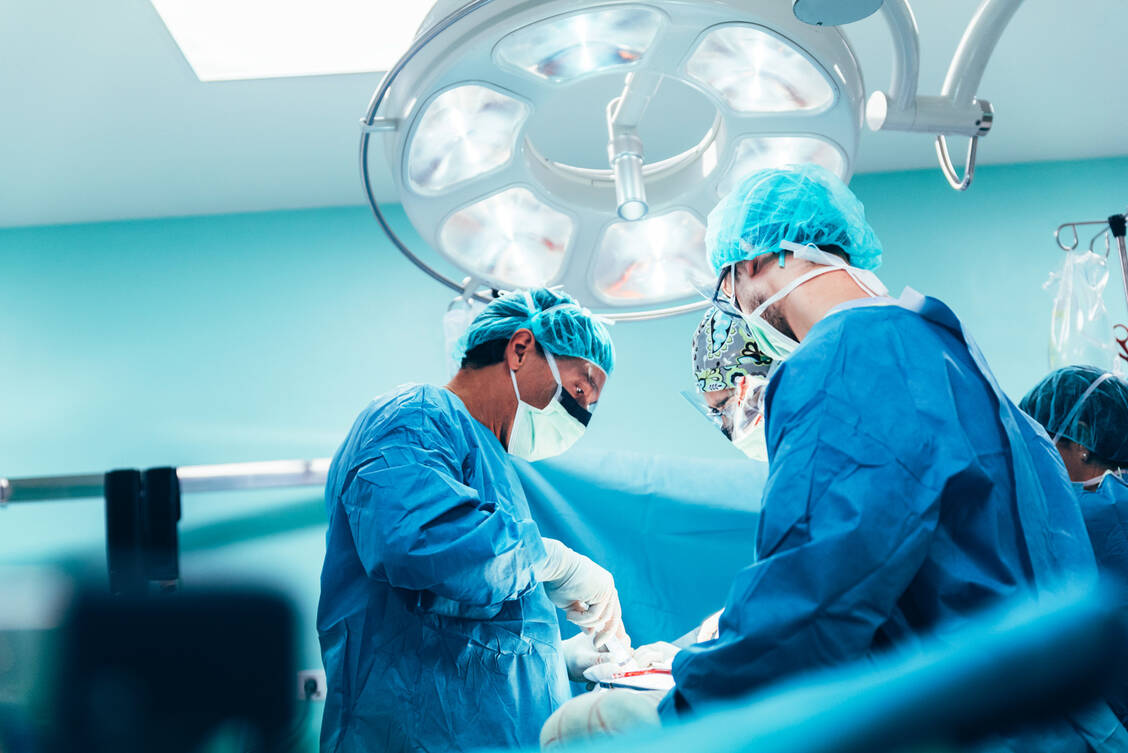
An unstable knee in athletes, possibly combined with other injuries, indicates surgery. / © Adobe Stock/Santiago Nunez
Each year, between 165,000 and 200,000 people in Germany receive an artificial knee joint (total knee replacement, or TEP). Additionally, partial prostheses and other surgical procedures on the knees. What speaks for and against surgery? Anyone who has knee pain knows how much it can reduce quality of life—not only »just« because of the pain itself, but also because of the often significant loss of mobility that comes with it. Younger people in particular are unwilling to accept this. Whether surgery can improve or even cure the situation depends largely on the cause, such as an acute injury or wear-related osteoarthritis.
Knee pain often results from a torn meniscus. Doctors distinguish between an acute tear that causes locking and a degenerative wear-related tear. While the former is generally treated surgically, nowadays the recommended primary approach for the latter is conservative treatment. Only if this approach – consisting of physiotherapy, muscle strengthening, and appropriate exercise – does not lead to improvement is surgery considered. Studies show that for degenerative tears, there is no difference in outcomes one year later between patients who had surgery and those who chose conservative therapy.
There are also differences in the treatment of cruciate ligament injuries. An unstable knee in athletes, possibly combined with other injuries, indicates surgery. If, however, the cruciate ligament remains stable thanks to strong muscles, and the patient is older and less active, conservative therapy may be sufficient. Even osteoarthritis, which increasingly affects people in middle age, does not automatically require surgery—even in more severe cases. Factors such as whether cartilage or bone fragments have come loose are important, but above all, the severity of the symptoms reported by the patient.
This is because the degree of osteoarthritis does not necessarily correlate with the severity of symptoms. Some people show significant arthritic changes on MRI but have hardly any symptoms, while others have minimal wear yet suffer severe pain. Scientists are still researching why this is the case. Ultimately, the level of suffering plays a decisive role in the decision for or against surgery. A younger, active person who experiences pain as a major limitation is more likely to opt for surgery than someone who is less active, does not miss movement, and has little pain at rest.
The German Federal Association of Medical Technology (Bundesverband Medizintechnologie) offers a checklist for patients with hip or knee pain at www.gelenkersatz-bewegt.de. The association recommends first visiting a general practitioner to determine whether the joint is actually the cause of the pain. If the suspicion is confirmed, patients should be referred to specialists with extensive expertise in joint replacement. If all signs point to surgery, the association advises against delaying too long. To really find a good surgeon, patients should make sure the physician performs at least 50 joint replacement operations per year.
If a specialist recommends surgery, obtaining a second opinion is always advisable. The Consumer Advice Centre informs that there is a legal right to a medical second opinion for certain plannable procedures or surgeries, and that health insurance covers the cost. Doctors who provide second opinions must be specially qualified and independent. Patients should be cautious if their own health insurer recommends a second-opinion doctor, the Consumer Advice Centre advises. In such cases, the specialists could tend to advise against surgery in order to save costs. Cost savings are also what Health Minister Nina Warken has in mind regarding the planned mandatory second opinion system.
This measure aims to prevent unnecessary surgeries as well as risky procedures, such as those involving the spine but also the knee. It is also expected to improve treatment quality by ensuring that all conservative options are exhausted first. Not least, the second opinion also gives patients more confidence in making the decision that best benefits their health. Whether knee problems improve also depends on patient behaviour: appropriate exercise, if possible, maintaining a healthy weight, an anti-inflammatory diet, and following all physiotherapy and medical treatments are good prerequisites for reducing or even eliminating persistent symptoms.
| German | English |
|---|---|
| Arthrose | osteoarthritis |
| Einschränkung | limitation / restriction |
| Entscheidung | decision |
| Gelenk | joint |
| Gelenkersatz | joint replacement |
| Immobilität | immobility |
| Instabilität | instability |
| Knie | knee |
| Knochen | bone |
| Knorpel | cartilage |
| Kreuzband | cruciate ligament |
| Leidensdruck | level of suffering / distress |
| Meniskus | meniscus |
| Meniskusriss | torn meniscus / meniscus tear |
| Muskelaufbau | muscle strengthening |
| Physiotherapie | physiotherapy |
| Schweregrad | severity (level) |
| Verschleiß | wear (and tear) |
| Wirbelsäule | spine |
| Zweitmeinung | second opinion |