|  | Translated by Marta Campbell |
 |
10.06.2026 16:00 Uhr |
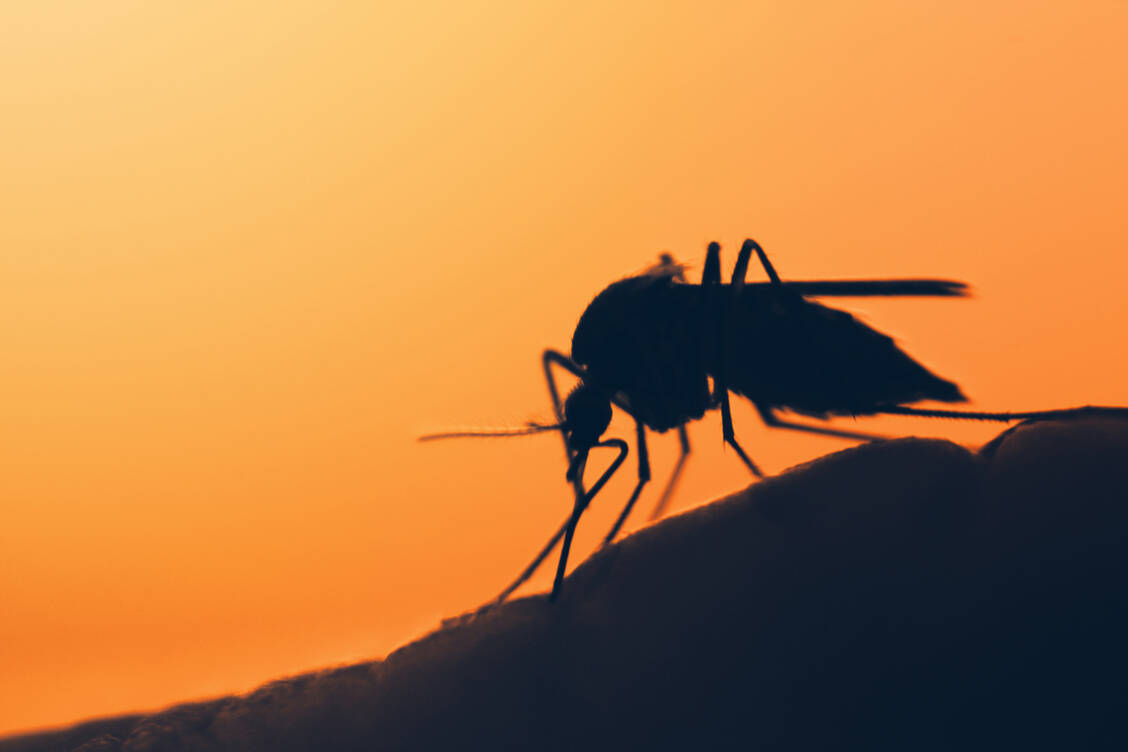
Mosquitoes have an easy time with the very youngest children. / © Adobe Stock/mycteria
»I’m covered in bites,« complains one person. »Funny, I don’t have a single one,« says the other. And this despite the fact that they live in the same apartment with the same unwelcome biting guests. How can that be? According to the »National Institutes of Health«, mosquitoes clearly have favorite people: around 20 percent of the population are preferred targets for the annoying insects. And there are several reasons for this.
For one thing, bloodsuckers are attracted to the CO₂ in exhaled air, and larger people, pregnant women, and people who have recently exercised emit more of it than others. On the other hand, a person’s individual body odor determines how attractive they are as a victim. Mosquitoes prefer people who release more carboxylic acids through their skin, who sweat more or are currently sweating, whose skin bacteria are especially attractive to mosquitoes, and who radiate more body heat.
But even people who consider themselves lucky because they do not attract mosquitoes still need protection. In the worst case, a single bite can be enough to make someone sick. And if there is no “mosquito magnet” nearby, the insects become less picky and attack less attractive people instead.
Unfortunately, this already begins with the very youngest children. Mosquitoes have an easy time with them because the skin of babies and toddlers is thinner than that of adults, contains fewer protective oil layers, and babies and toddlers radiate a lot of heat due to their very active metabolism. In addition, children like to spend time in places where mosquitoes also gather — in grass, near puddles, and by streams.
So how can the most defenseless be protected best?
First of all, clothing made from natural fibers is a sensible solution. It blocks mosquitoes’ direct access to the skin. For babies and toddlers, however, parents must find a balance between sufficient protection and avoiding too much heat, because the younger the child, the poorer their ability to regulate body temperature.
Babies and toddlers cannot yet produce sweat adequately according to the outside temperature, they have an unfavorable ratio of body surface area to volume, and they are less aware when they are thirsty or need rest.
So if clothing on hot days provides some protection against mosquitoes but still leaves gaps, what else helps?
According to tests carried out last year by the German consumer organization »Stiftung Warentest«, products containing DEET or Icaridin performed best. »AntiBrumm® Forte (30%)« with the active ingredient DEET was the test winner, followed by »Mosquito Protect®« and »Autan® Multi Insect«, both of which contain Icaridin.
Which of these active ingredient groups are suitable for babies and children? For babies under six months, there is no chemical or plant-based product considered completely safe without restrictions. DEET is considered the gold standard for travel to tropical regions, but in Germany a concentration of no more than 30 percent is generally recommended only for children aged three and older. At this concentration, it offers protection for several hours.
An exception to this age restriction applies to travel in tropical regions: according to the World Health Organization (WHO), in high-risk malaria areas the benefits outweigh the risks. Therefore, low-concentration DEET is permitted there from the age of two months onward. DEET at a concentration of 40 percent may be used from age six, while products containing 50 percent DEET may only be used by adults.
This ingredient is viewed critically for babies and young children because their increased skin permeability can lead to greater absorption of the substance into the bloodstream. In addition, DEET enters children’s bodies more easily because young children often put their hands in their mouths or rub their eyes. Finally, there is evidence of rare but severe neurotoxic side effects.